October 6, 2026
A sloped or uneven property can create challenges that affect far more than appearance. Soil may gradually move downhill, rainwater can wash through planting areas, and steep sections can be difficult to incorporate into an attractive landscape. In many cases, a professionally designed retaining wall can provide structural support while making the property more functional. Experienced retaining wall builders can evaluate the terrain, drainage conditions, soil, and intended use of the surrounding space to determine an appropriate solution.
These structures also require careful planning because height and local regulations can affect project requirements. According to HomeGuide, retaining walls that exceed approximately three to four feet in height typically require permits in most cities. Professional planning can account for these requirements as well as structural and drainage considerations. When properly incorporated into a landscape, a retaining wall can address several common challenges at once. Here are six problems a retaining wall can help solve for your property.
1. Eroding Soil
Controlling Downhill Movement
Soil naturally shifts downhill on sloped properties, especially during periods of heavy rainfall. Over time, this movement can change the shape of planting beds and expose roots. A retaining wall creates a defined barrier that helps hold soil in its intended location.
Protecting Planted Areas
Erosion can gradually carry valuable topsoil away from gardens and landscaped areas. Plants may become stressed when the soil around their roots shifts or washes away. Retaining wall builders can design structural features that support the surrounding grade while complementing established landscaping.
Reducing Surface Washout
Heavy rain can create visible channels through exposed or sloped soil. These washed-out areas may grow larger with repeated storms. A properly planned wall can help stabilize vulnerable sections and reduce uncontrolled soil movement across the landscape.
Maintaining Landscape Shape
Landscape designs depend on clearly defined grades and planting areas. Erosion can gradually alter those features and make the property look uneven. Structural support helps preserve intentional contours and creates a more stable foundation for surrounding landscape elements.
2. Unmanageable Slopes
Creating Defined Levels
Steep slopes can occupy significant portions of a property without providing much practical value. Retaining walls can divide elevation changes into more manageable levels, giving the landscape greater definition and making previously awkward terrain easier to incorporate into an overall design.
Improving Visual Organization
A large, uninterrupted slope can dominate a yard. Creating distinct elevations adds structure and helps separate planting areas, lawns, and other outdoor features. Experienced retaining wall builders can integrate these transitions so they appear intentional rather than disconnected from the rest of the property.
Supporting Elevated Areas
Some landscapes require soil to remain at a higher elevation than another portion of the property. A retaining structure provides support between these grade changes and helps maintain the intended shape of the elevated area.
Defining Landscape Transitions
Elevation changes can be difficult to incorporate naturally when one part of a yard sits considerably higher than another. Retaining walls provide visible boundaries between levels, creating cleaner transitions throughout the landscape.
3. Limited Usable Space
Expanding Functional Areas
Sloped ground may be difficult to use for ordinary outdoor activities. Reshaping portions of the landscape with structural support can create flatter, more practical areas. These spaces may then fit more naturally into the property's broader landscape plan.
Creating Planting Areas
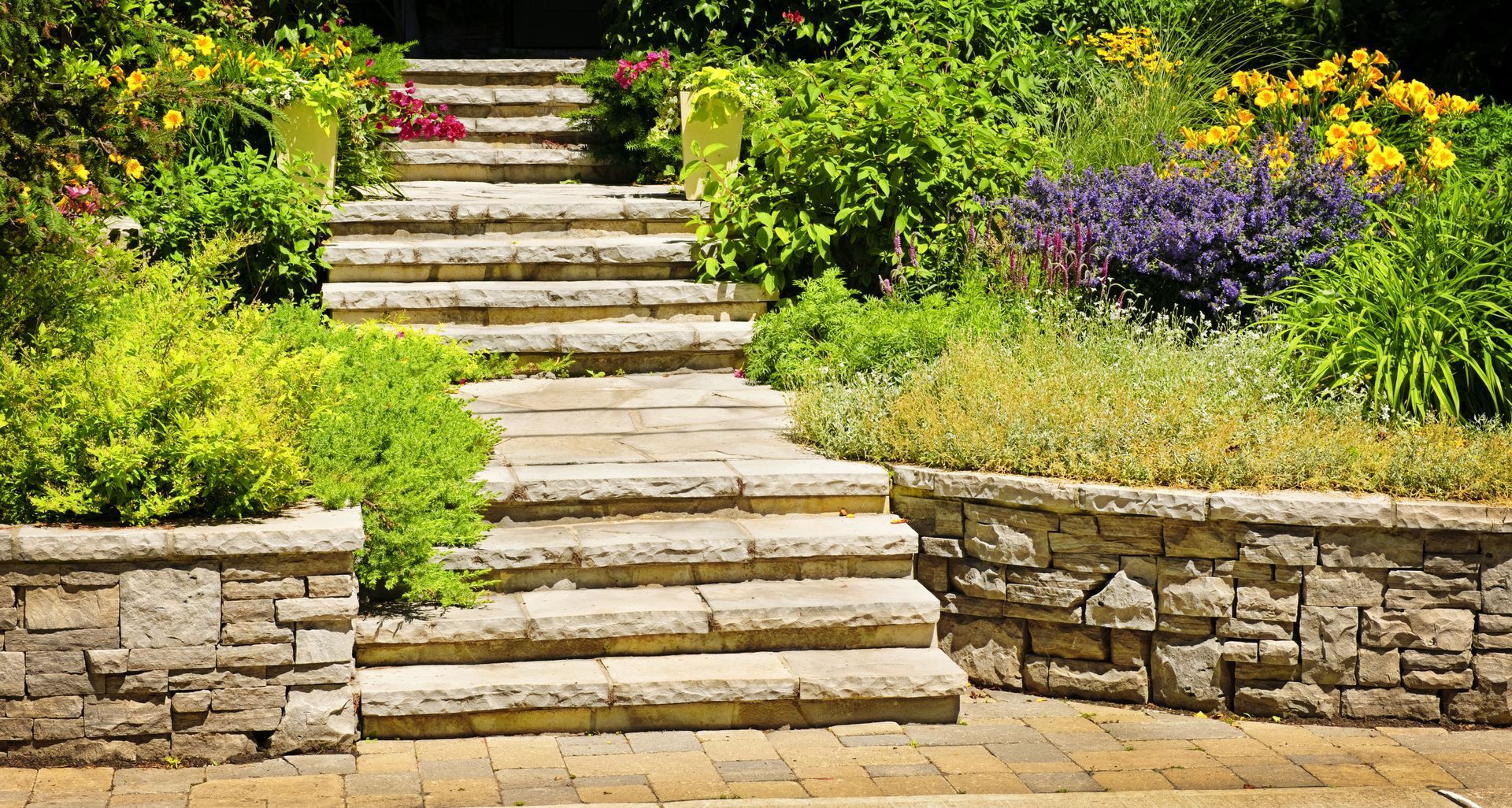
Terraced landscapes can provide defined spaces for flowers, shrubs, and other vegetation. Instead of having plants scattered across a difficult slope, retaining wall builders can help create organized areas that give landscaping a more deliberate appearance.
Supporting Outdoor Features
Outdoor living areas often benefit from reasonably level surroundings. Where terrain changes interfere with the layout, retaining structures may help establish the grade needed to support nearby landscape features while maintaining separation between different elevations.
Improving Property Flow
Uneven terrain can make different portions of a yard feel disconnected. Defined levels can establish a clearer relationship between lawns, gardens, walkways, and gathering spaces. This organization allows the landscape to feel more cohesive and purposeful.
4. Uncontrolled Water Movement
Managing Sloped Runoff
Water naturally follows changes in elevation, and steep landscapes can concentrate runoff during storms. If water repeatedly travels across exposed soil, erosion and washouts may follow. Retaining walls can be planned as part of a broader approach to managing challenging grades and drainage conditions.
Reducing Soil Saturation
Water collecting behind a retaining structure can create significant pressure, making drainage an important design consideration. Professional retaining wall builders evaluate site conditions so structural and drainage requirements can be considered together rather than treated as unrelated issues.
Protecting Landscape Features
Uncontrolled runoff can carry soil and debris into lawns, planting beds, walkways, and other areas. Managing grade transitions can help create a more stable landscape and reduce the disruption caused by repeated water movement.
Supporting Drainage Planning
A retaining wall shouldn't simply block water without considering where that water will go. Professional planning accounts for how moisture behaves around the structure and surrounding terrain. This helps the wall support the landscape without creating avoidable drainage concerns elsewhere.
5. Poor Landscape Definition
Separating Outdoor Areas
Large yards can sometimes lack clear visual organization. Retaining walls can create boundaries between lawns, gardens, elevated beds, and other landscape features. These divisions make each portion of the property feel more intentional while maintaining a cohesive overall design.
Adding Structural Interest
Landscaping isn't limited to plants and lawns. Hardscape features introduce texture, height, and architectural character. Skilled retaining wall builders can help ensure a wall provides necessary support while also fitting the visual character of the property.
Framing Landscape Features
Retaining structures can establish attractive edges around elevated gardens and other prominent areas. These defined borders draw attention to intentional landscaping and prevent grade changes from appearing unfinished or accidental.
Creating Visual Continuity
Materials, proportions, and placement influence how naturally a wall fits into its surroundings. When these elements coordinate with existing hardscaping and architecture, the structure can connect different portions of the property while still performing its practical role.
6. Unstable Grade Changes
Supporting Raised Soil
Significant differences in elevation require appropriate structural support. Without it, soil can shift gradually or become less stable after repeated rainfall. A properly designed retaining structure helps maintain separation between upper and lower grades.
Protecting Nearby Improvements
Grade instability can affect areas near walkways, patios, driveways, gardens, and other landscape improvements. Retaining wall builders can assess how terrain relates to nearby features and develop a solution intended to support the surrounding property.
Addressing Long-Term Pressure
Retaining walls must withstand pressure from the soil behind them as conditions change. Moisture, soil characteristics, wall height, and surrounding loads can all influence structural requirements. Professional evaluation ensures these factors receive appropriate consideration during planning.
Maintaining Lasting Stability
A retaining wall is intended to provide dependable support over time, not merely improve the immediate appearance of a slope. Appropriate design, materials, drainage considerations, and professional construction all contribute to the structure's long-term performance.
Retaining walls can solve several landscape problems by controlling erosion, organizing slopes, creating usable areas, supporting drainage planning, defining outdoor spaces, and stabilizing grade changes. Because every property has different terrain and soil conditions, professional retaining wall builders can determine how a structure should function within the larger landscape. Thoughtful planning also helps ensure structural requirements and appearance work together rather than competing with each other.
If erosion, steep terrain, drainage concerns, or unstable grades are limiting your property's potential, professional guidance can help determine an appropriate solution. Contact Clean Cut Landscape Services today to discuss your landscape and learn how a professionally planned retaining wall can improve its stability, function, and appearance.